
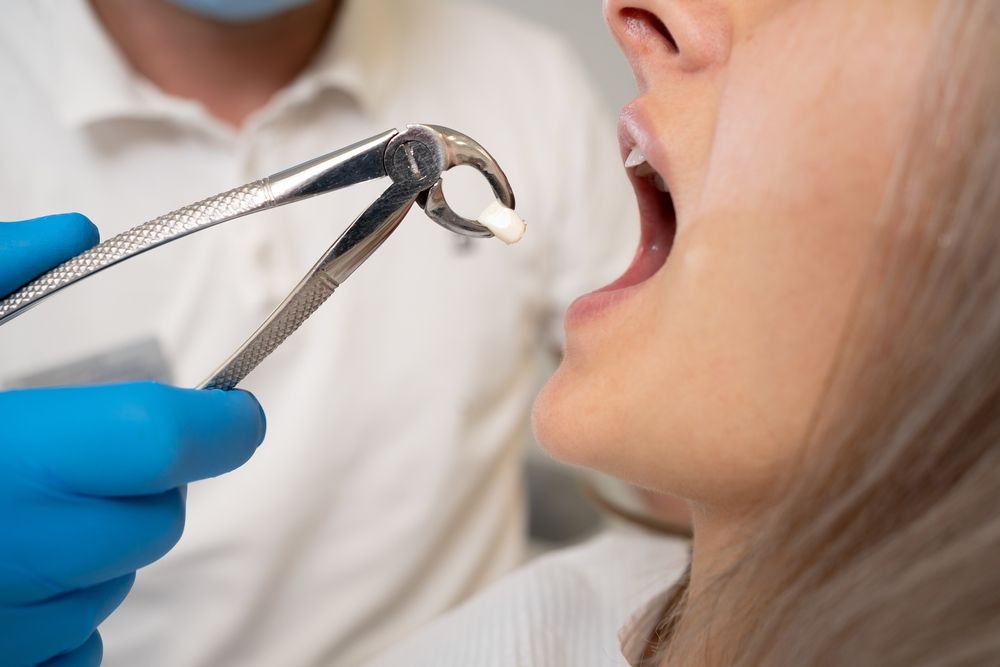
Wisdom teeth typically emerge in the late teens or early twenties. While some people never experience problems with them, many do. Because wisdom teeth are the last to come in, there often isn’t enough room in the mouth for them to grow properly. This can lead to discomfort, oral health complications, and the need for removal. Understanding the warning signs can help you take action early and avoid more serious issues down the road.
Persistent Pain or Discomfort in the Back of the Mouth
One of the most common signs is ongoing pain near the back of your jaw. This discomfort may feel dull and achy or sharp and intense, especially when chewing or opening your mouth wide. Pain often indicates that the wisdom teeth are impacted or putting pressure on nearby teeth and nerves.
Swollen, Red, or Bleeding Gums
If the gums around your wisdom teeth appear inflamed, tender, or bleed easily, it may be a sign of irritation or infection. Partially erupted wisdom teeth can trap food and bacteria beneath the gumline, leading to inflammation known as pericoronitis.
Jaw Stiffness or Difficulty Opening Your Mouth
Tightness in the jaw or difficulty opening your mouth fully can occur when wisdom teeth grow at an improper angle or cause surrounding tissues to become inflamed. Over time, this stiffness may worsen and interfere with eating or speaking comfortably.
Crowding or Shifting of Teeth
Wisdom teeth can push against neighboring teeth as they try to erupt, leading to crowding or subtle shifting in your smile. This is especially concerning for patients who have had orthodontic treatment, as wisdom teeth can compromise long-term alignment.
Frequent Headaches or Ear Pain
Because the jaw joint and surrounding nerves are closely connected, problematic wisdom teeth can sometimes cause referred pain. This may feel like recurring headaches, earaches, or pain radiating along the jawline.
Bad Breath or an Unpleasant Taste
Persistent bad breath or a bad taste that doesn’t go away with brushing and flossing may signal an infection around the wisdom teeth. Bacteria can easily accumulate in hard-to-reach areas, especially if the teeth are only partially erupted.
Repeated Infections or Cysts
Chronic infections around the wisdom teeth are a clear sign that removal may be necessary. In some cases, impacted wisdom teeth can also lead to cyst formation, which may damage surrounding bone and teeth if left untreated.
A Healthier, More Comfortable Smile Starts Here
Not everyone needs their wisdom teeth removed, but when problems arise, early evaluation is key. Ignoring the warning signs can lead to increased pain, infection, and more complex dental issues. If you’re experiencing any of these symptoms, a professional assessment can determine whether removal is the best option for your long-term oral health.
If you suspect your wisdom teeth may be causing problems, schedule a dental exam at The Art of Dental Wellness to take the next step toward lasting comfort and a healthier smile. Visit our office in Beverly Hills, California, or call (424) 855-1799 to book an appointment today.